Tapestry of Voices
Art Voyage Biennial CIC presents Tapestry of Voices, A major public art programme commissioning new textile sculptures that preserve cultural heritage, support artists, and expand public engagement with contemporary sculpture.
A flagship pilot programme forming part of the Art Voyage Biennial 2026–2027.
Tapestry of Voices is a major artist-led textile and sculptural programme exploring cloth as a living archive of migration, memory, and cultural identity. Bringing together contemporary artists and diaspora communities across Britain, the project commissions new textile sculptures, delivers workshops and mentorship, and culminates in a large-scale public exhibition in London in Autumn 2026.
Positioning textile as a contemporary sculptural medium, the programme examines how cultural knowledge and heritage are preserved through fibre practices and passed across generations. Developed in partnership with leading cultural organisations, Tapestry of Voices supports emerging and underrepresented artists while expanding public engagement with textile sculpture as a vital form of contemporary artistic and cultural expression.
About the Project
Tapestry of Voices is a six-month heritage, research, and public art programme dedicated to preserving, documenting, and sharing textile traditions and personal histories of Asian diaspora communities in Britain, recognising their vital contribution to the UK’s cultural heritage.
Textile practices such as embroidery, weaving, and stitching have played an important role in the lives of many individuals and families who migrated to Britain over the past century. These practices hold stories of migration, settlement, identity, and belonging, forming an important yet often underrepresented part of Britain’s social and cultural history. Much of this knowledge exists only in personal and family contexts and is at risk of being lost as generations pass.
Through workshops and artist-led sessions, participants will share their experiences, learn traditional and contemporary textile techniques, and contribute to the creation of new sculptural works inspired by their heritage and life in Britain.
The programme will culminate in a free public exhibition in London in Autumn 2026, presenting newly commissioned textile sculptures alongside community-created works and recorded stories. This exhibition will provide opportunities for wider audiences to engage with and learn about this important aspect of Britain’s cultural heritage.
By preserving skills, stories, and creative practices, Tapestry of Voices will help safeguard the heritage of communities who have shaped Britain’s cultural identity, ensuring it is recognised, valued, and accessible for future generations.
Phase 1: Free Textile Skills Courses
April – May 2026
Three intensive, in-person textile courses focused on developing practical and transferable skills in felted forms, fibre manipulation, weaving with recycled materials, tapestry techniques, soft sculpture and hand-stitching.
This phase positions textiles as both a skilled discipline and a contemporary storytelling practice.
Phase 2: Mentoring and Workplace Experience
May – June 2026
Participants progress into a month of online mentoring, developing curatorial literacy, portfolio readiness and sector awareness.
Following which participants take part in a one-month workplace experience, gaining hands-on experience in exhibition planning, artwork handling and studio support alongside Art Voyage’s curatorial team and lead artists.
Phase 3: Public Exhibition and Legacy
July – August 2026
The programme culminates in a three-week public exhibition, presenting new work by selected early-career artists alongside the lead facilitators andinvited migrant women artists.
Public workshops, talks and tours expand access and engagement, while a digital archive and final stakeholder roundtable ensure learning is shared and sustained.
Public Programme and Exhibition
Tapestry of Voices includes:
Public exhibitions of sculptural commissions
Artist talks and panel discussions
Community workshops & mentorships
Touring installations across multiple cities
Digital archive documenting stories and process
These activities ensure wide public engagement and long-term accessibility.
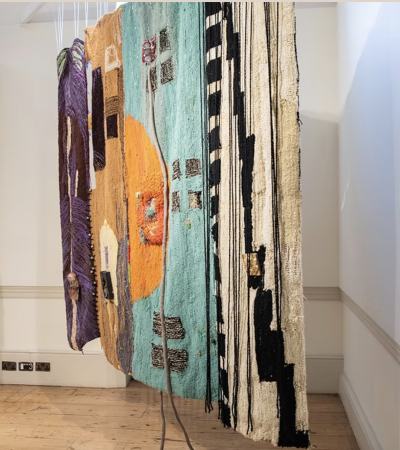
Why It Matters
Migration has shaped British cultural identity for generations, yet many of these stories remain invisible within public art and cultural institutions.
Tapestry of Voices addresses this gap by:
- Expanding whose stories are represented in sculpture
- Challenging traditional narratives of cultural heritage
- Creating new models of artist-community collaboration
- Making sculpture accessible to wider audiences
The project contributes to the future of sculpture by positioning textile as a critical contemporary sculptural medium.
Workshops
The programme selected three lead artists whose practices centre on textiles, identity and community engagement: Zethu Maseko, Sarah Waters and Paloma Tendero. Each artist developed a workshop proposal inspired by the themes that guide their work and by approaches that encourage community storytelling. These proposals shaped the structure of the sessions and support the programme’s two overarching themes: Women’s Voices and Intergenerational Histories and Imagining Tomorrow’s World.
Workshops combine practical textile processes with reflective discussions and wellbeing-centred activities, creating inclusive, supportive and trauma-informed environments. Participants will explore storytelling through making, sharing personal and collective narratives.
Facilitators
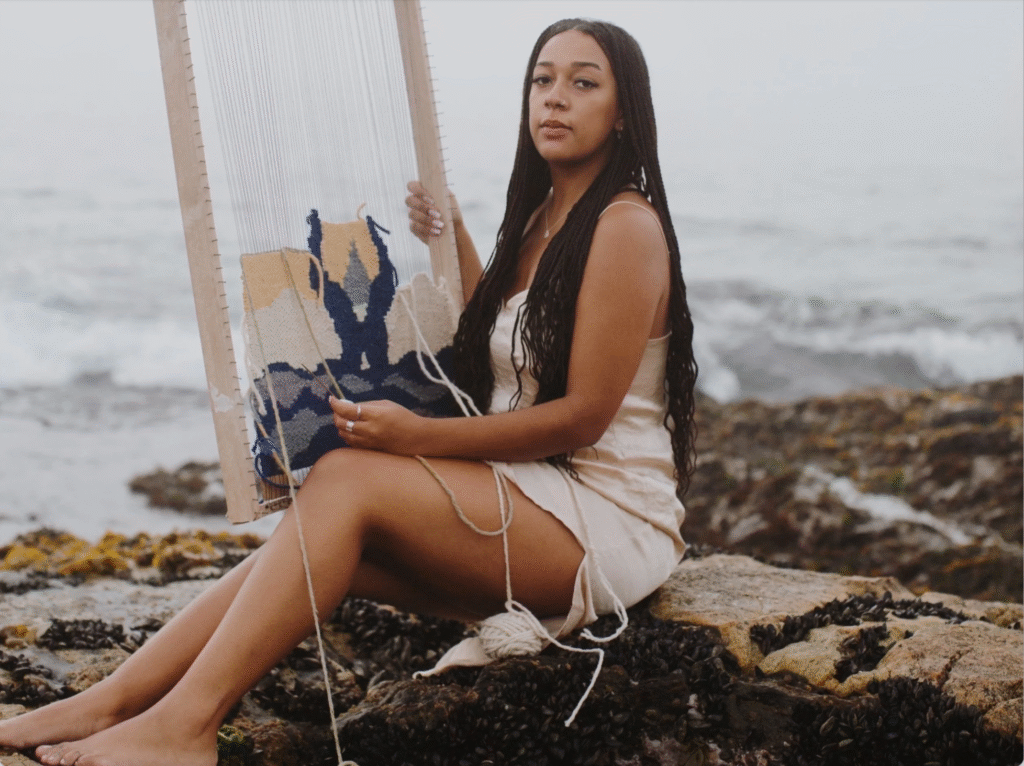
Weaving New Life from Scraps with Zethu Maseko
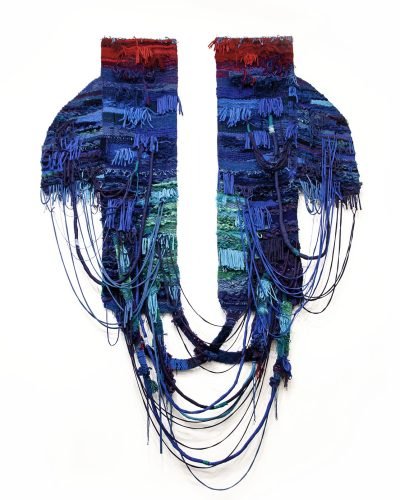
Weaving New Life from Scraps is a hands-on textile workshop led by artist Zethu Maseko, where participants create woven wall hangings using recycled fabric strips. Inspired by Zethu’s practice of transforming discarded materials into sculptural tapestries, the workshop invites participants to explore weaving as a process of renewal, storytelling, and artistic expression.
The workshop encourages participants to transform reclaimed textiles into meaningful artworks that reflect personal and collective heritage, memory, and future aspirations. Through this process, art-making becomes a grounding and empowering tool, fostering creativity, confidence, and connection.
By working together, participants contribute to a shared creative environment that supports community cohesion, cultural exchange, and collective storytelling, while also engaging with sustainable practices and the creative reuse of materials.
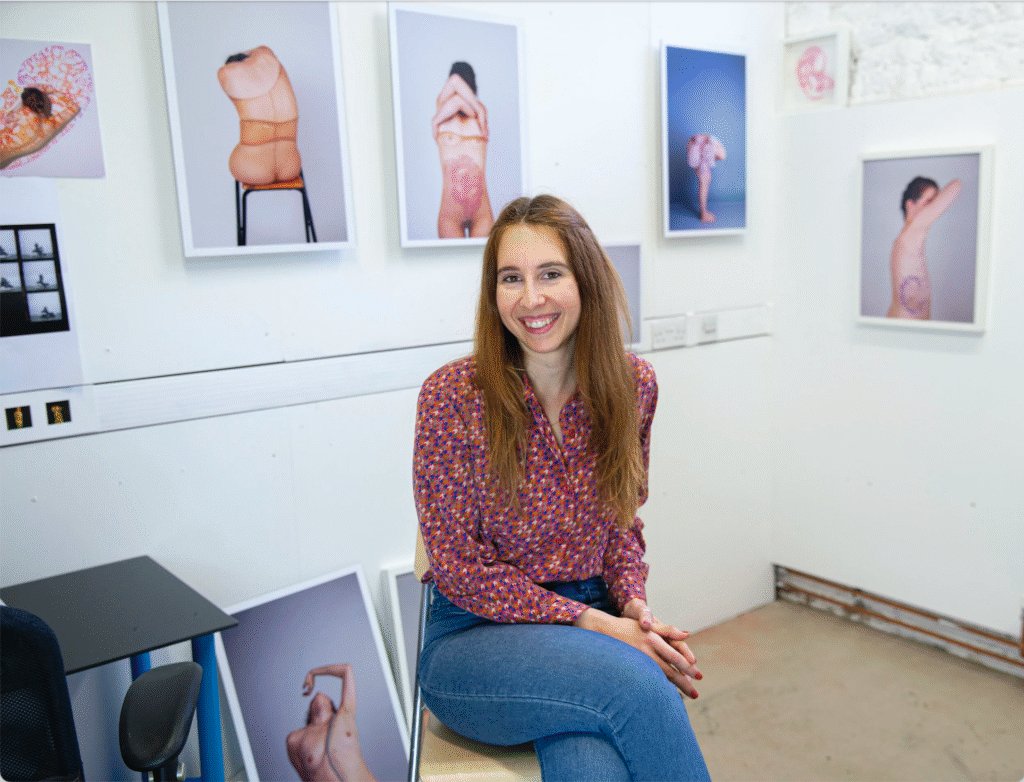
Stitching memory with Paloma Tendero
Stitching Memory is a hands-on workshop led by Paloma Tendero, exploring the relationship between memory, identity, and material. Participants will learn how to hand stitch into paper and photographs, gaining an introduction to a range of stitches and techniques that expand traditional textile practices into new and unexpected surfaces.
Drawing on Paloma’s artistic practice, which explores themes of genetic inheritance, illness, and the ways personal and family histories shape identity across generations, the workshop invites participants to reflect on their own memories and experiences. Through stitching, participants will explore how images and materials can carry emotional and historical meaning.
By the end of the session, each participant will have created a unique stitched artwork that blends memory, image, and material. The workshop builds confidence in alternative textile techniques while demonstrating how craft can serve as a powerful medium for storytelling, reflection, and contemporary artistic expression.
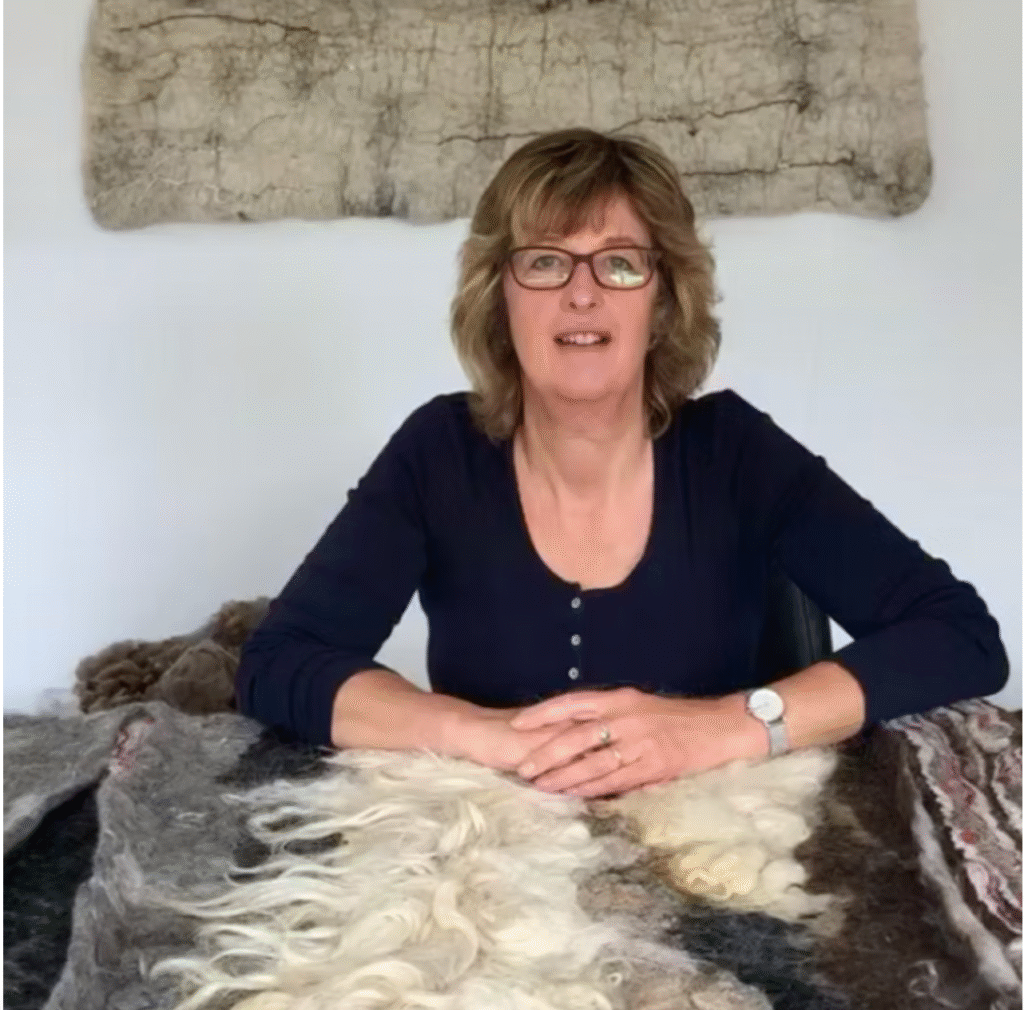
Felt memory pods with Sarah Waters
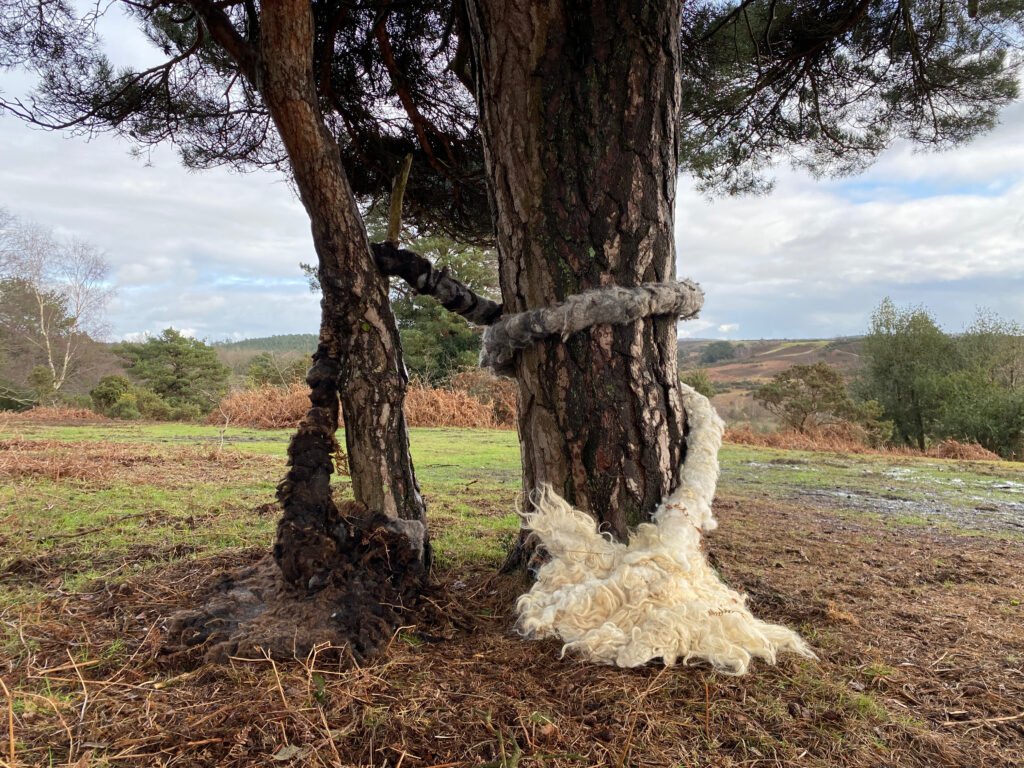
Led by textile artist Sarah Waters, this felt-making workshop is inspired by personal memory and connection to place. Rooted in her deep appreciation for sheep and British wool, Sarah combines traditional and innovative felt-making techniques to demonstrate the versatility and expressive potential of this ancient craft.
Participants will create small, hand-held 3D felt pods, using wool as a tactile and grounding material. Blending craft with wellbeing, the workshop offers a reflective, therapeutic making process that encourages positive connection, to self, to others, and to the landscapes and histories embedded within the material itself.
The workshop supports the transmission of heritage skills while fostering wellbeing, confidence, and connection. By engaging with British wool and traditional feltmaking techniques, participants gain a deeper understanding of the material heritage of the UK and its ongoing importance today.
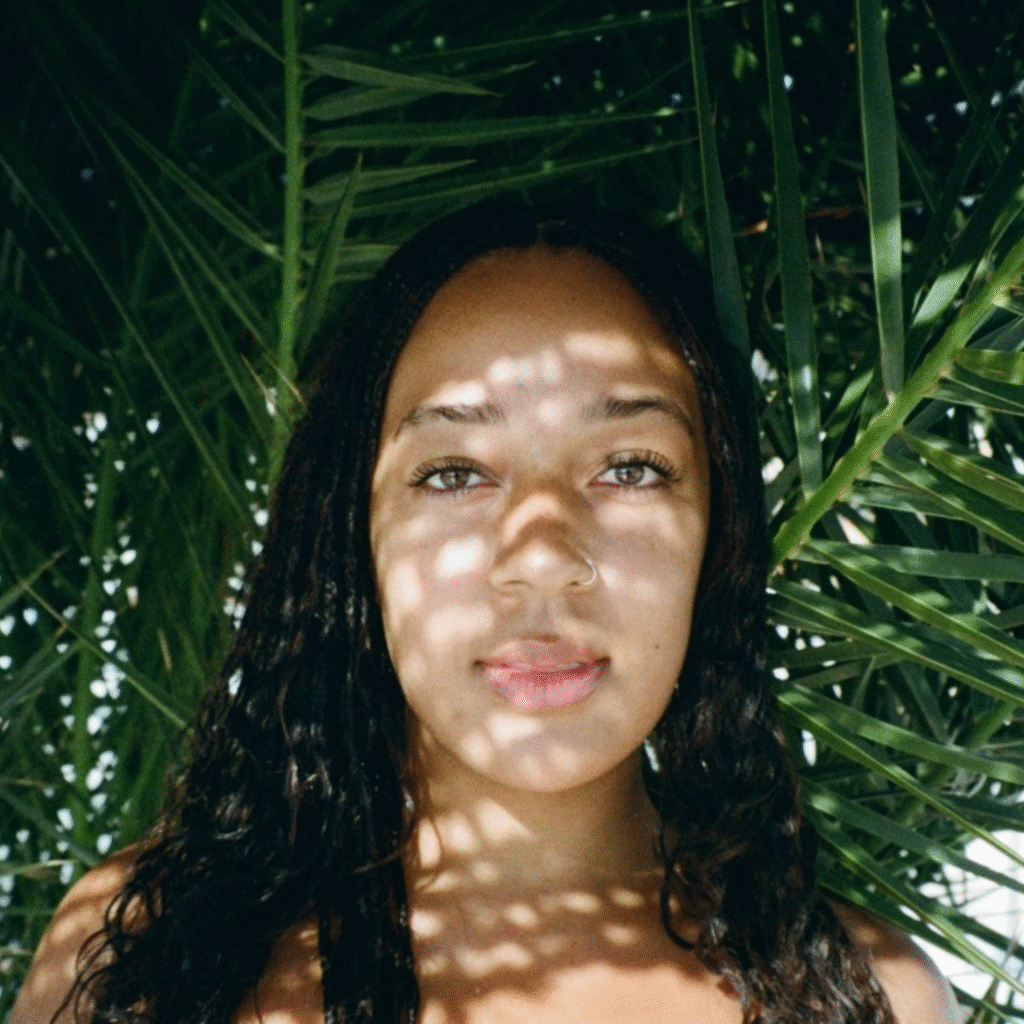
Award-winning multi-disciplinary artist and workshop facilitator, Zetha works across tapestry-making techniques including punch needle, embroidery, tufting, weaving and sewing. Her practive is grounded in hydrofeminist and ecofeminist approaches to land, body and archive.
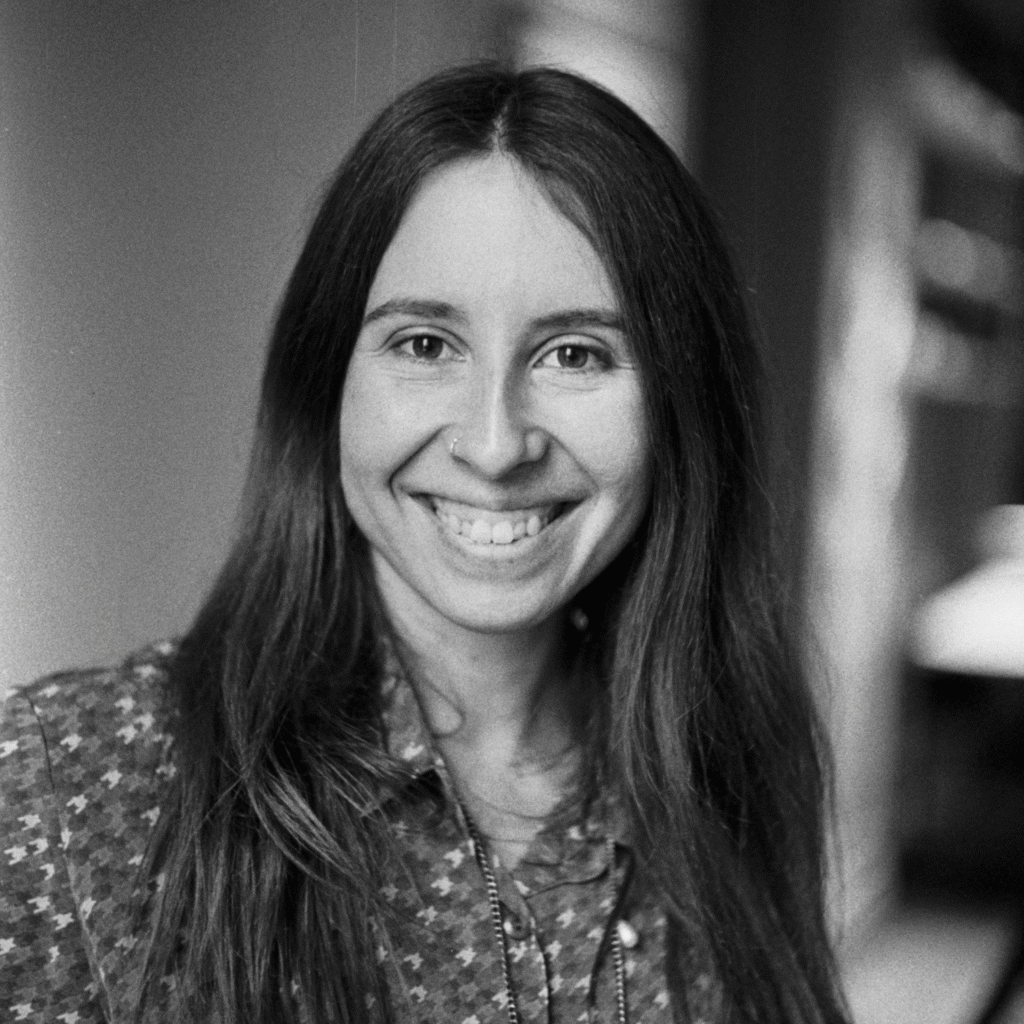
Explores themes of genetic inheritance, illness, and their impact on identity and life’s timelines. Drawing on personal experience with genetic illness, Paloma investigates the complex interplay between past generations and the ways the influence and shape the present and the future.
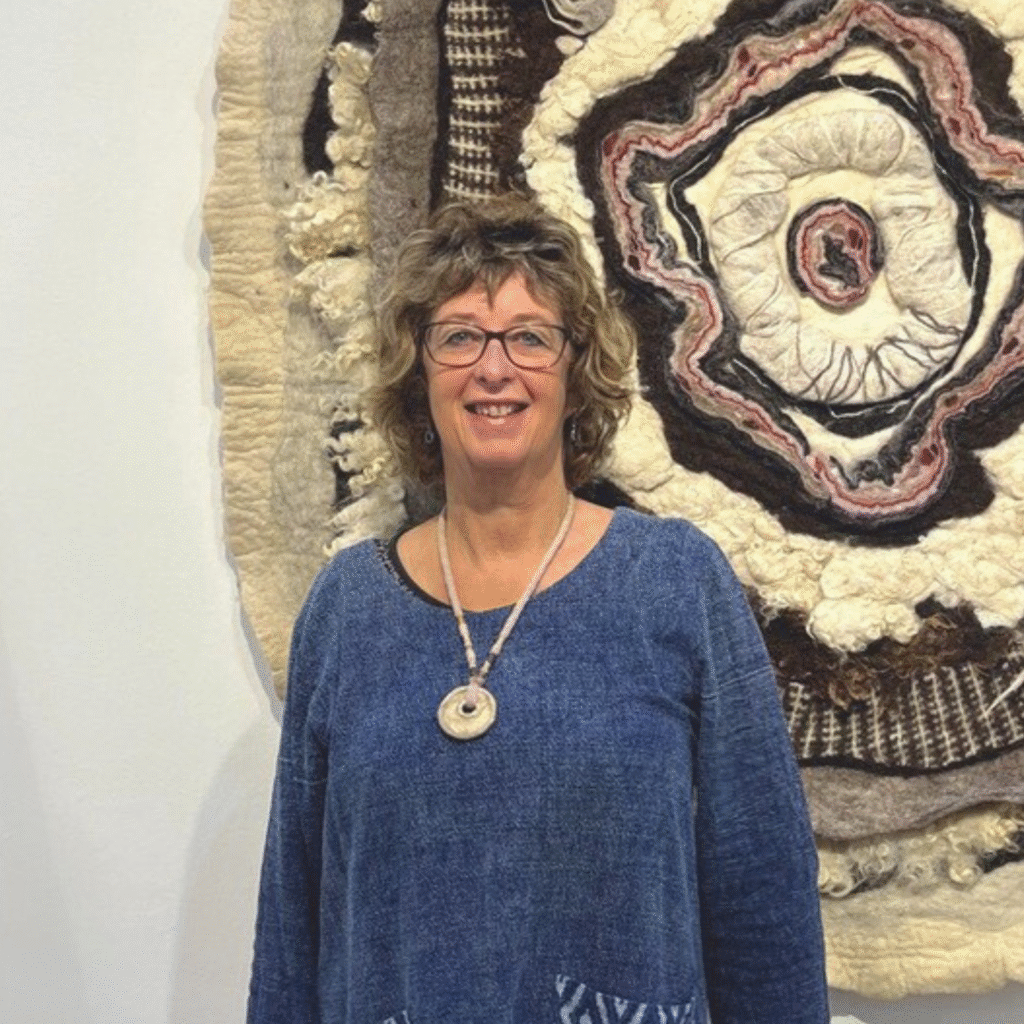
Textile artist working in feltmaking that originates from her love of sheep. Using both traditional and innovative techniques she aims to show the diversity and qualities feltmaking can be taken to. Using British Wool, which lends itself to a variety of disciplines within the textile world.
ARTISTS
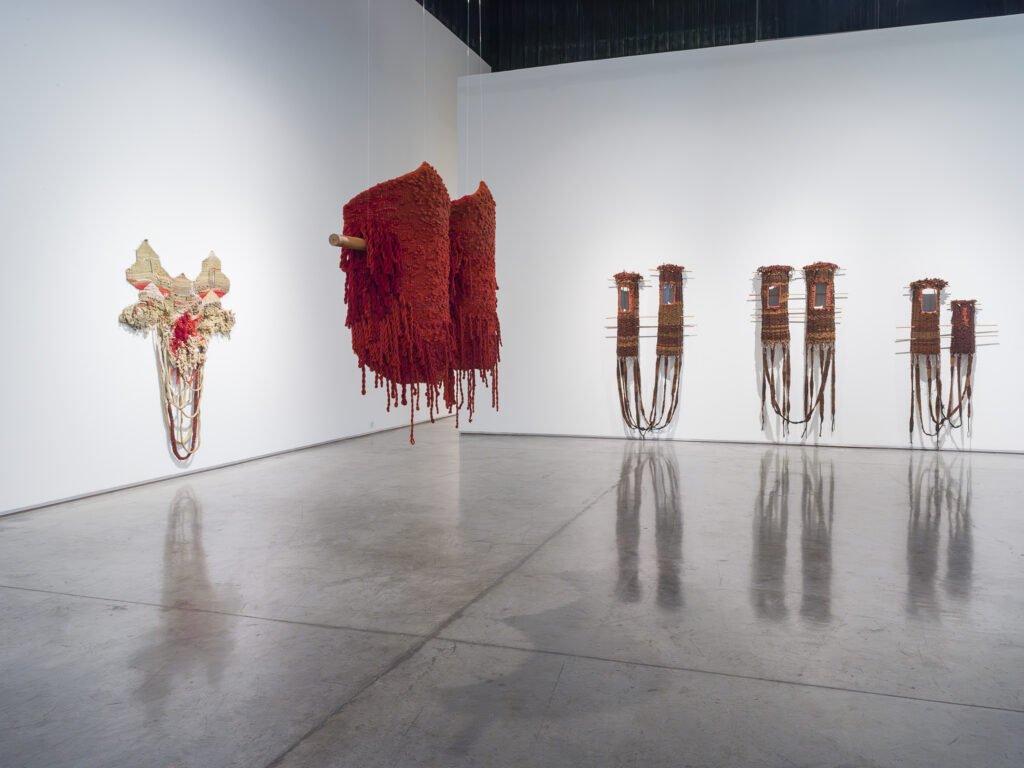
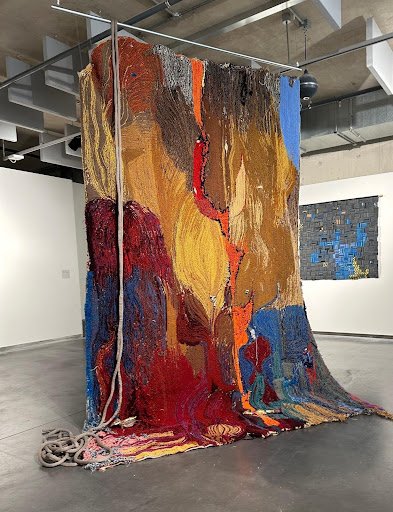
FARIBA BOROUFAR
Fariba Bourifa is an Iranian weaver and fibre artist whose sculptural practice draws on vernacular architecture and endangered building traditions. Trained in sculpture at the Tehran School of Fine Arts (1993), she later completed a BA in Graphic Design and an MA in Illustration at the University of Art, Tehran (2004). Her early career in print media and children’s publishing shaped a strong visual and narrative sensibility.
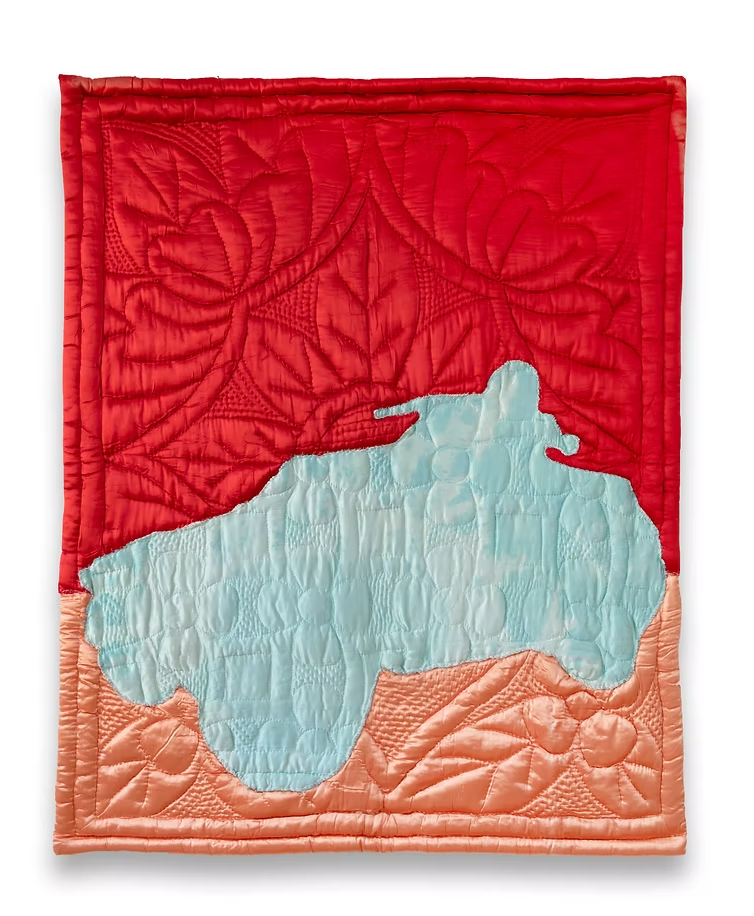
DIVYA SHARMA
Divya Sharma (born 1970) is a London-based British Indian artist with a Master’s from the Royal College of Art and a BA in Fine Art from UAL, who founded the Neulinge Collective and has curated five major shows. In 2023, she was awarded two juried New Contemporaries shows in the UK, became the Croydon BID artist of 2024 with her works displayed as banners in London, and was selected for the Collect Open and the Wells Contemporary Art Show in 2024.
Her work draws from the cultural world of her mother tongue, Tamil, transforming tapestry into a form of visual language through the act of tufting. Growing up in India in a home where fabric was both material and language textiles became her earliest mode of storytelling.
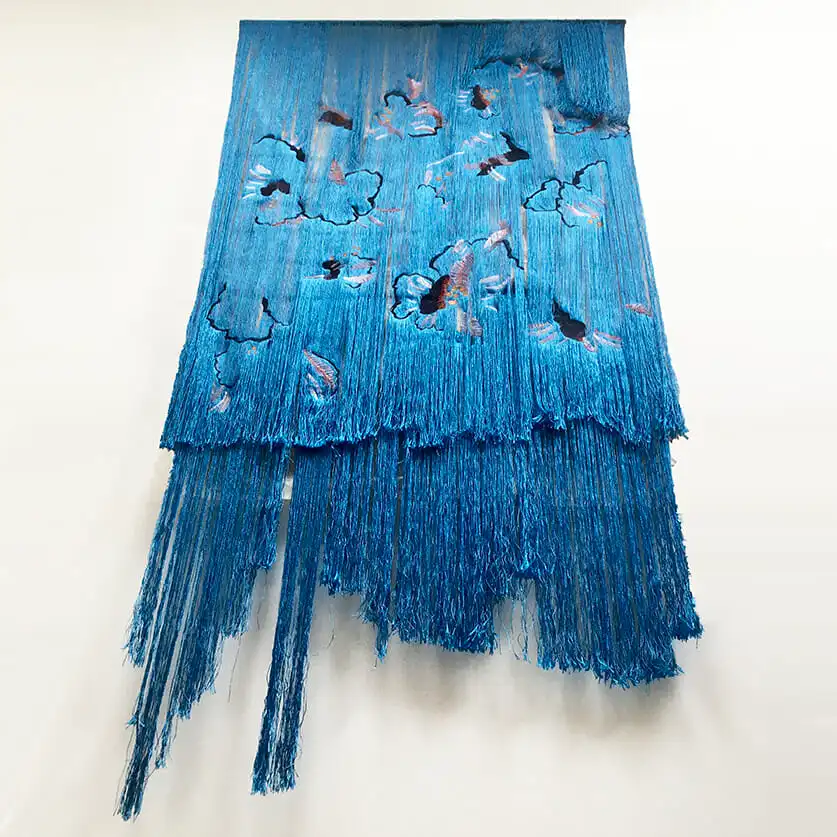
MUSTAFA BOGA
Mustafa Boga is a Turkish artist working across textiles, video, photography, and performance. His practice explores memory, ritual, and the ways personal and collective histories shape identity.
Mustafa has exhibited widely across Europe, the Middle East, and the UK. His work has been shown at venues such as the Nan Ke Gallery (London), Contemporary Istanbul, the Turkish Textile Biennial, and Nottingham Contemporary. Solo exhibitions include For the Lives We Couldn’t Hold On To (2025, Nan Ke Gallery), Displaced Memories (2024, Antalya, Turkey), and Wild Flowers (2022, London). His works are held in significant collections, including the Odunpazarı Modern Museum (OMM) in Eskişehir and the Arter Collection in Istanbul.
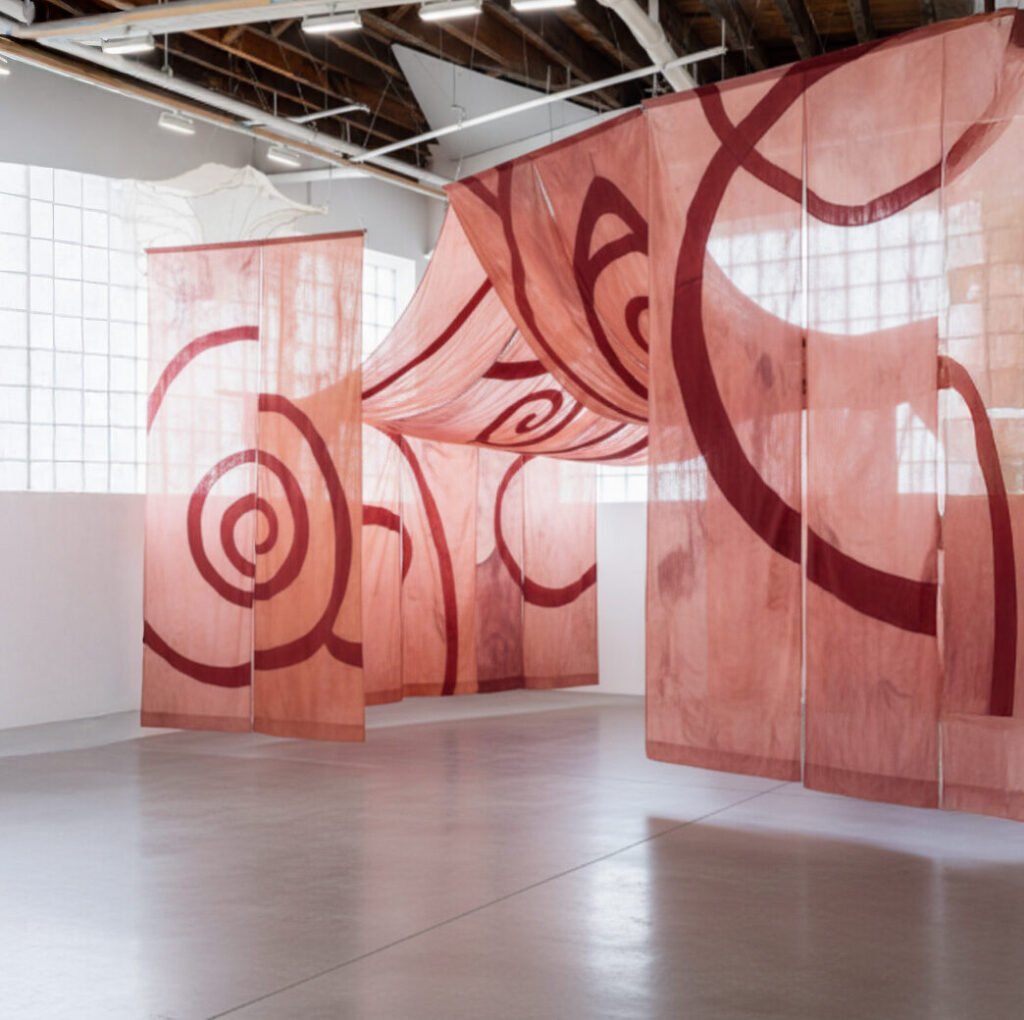
KAMILAH AHMED
Kamilah Ahmed is a London‑based British Bangladeshi textile artist and embroidery designer whose work bridges heritage craft and contemporary design. Her practice reimagines traditional techniques like Jamdani weaving and Ari hook embroidery through material experimentation and digital processes, producing intricate textiles, bespoke embroidered panels, and site‑specific installations that connect cultural storytelling with interior and architectural spaces.
After completing her MA in Textiles at the Royal College of Art and a decade of couture embroidery for fashion houses including Dior, Valentino, and Dolce & Gabbana, Kamilah now leads her own studio at Cockpit Arts, Bloomsbury, where she develops commissions, collaborations, and cross‑disciplinary projects that balance narrative, technical mastery, and material innovation.
Mentorship
Following the workshops, participants access free mentorship pathways to extend artistic development and career opportunities. Support includes:
- Q&A sessions with professional artists or curators
- Weekly peer-learning sessions
- Guidance on creating textile works for exhibition
- Training in project management and exhibition prep
- Networking with galleries, curators, and arts professionals
- Visibility through Art Voyage’s digital channels and the final exhibition
Public Exhibition [July 2026]
The programme culminates in a three-week public exhibition celebrating community creativity and global perspectives. Works by participants will be displayed alongside those of the three lead workshop facilitators, Zethu Maseko, Sarah Waters, and Paloma Tendero, and guest artists Fariba Bourfar, Mustafa Boga, Divya Sharma, with more artists to be announced in the lead-up to July 2026.
This exhibition is a free, inclusive event, highlighting the power of textiles to carry voices, stories, and connections across generations and cultures.
Join us & Support Creatives
Your donation to Tapestry of Voices directly supports the creation of new sculpture and emerging artists while empowering underrepresented women, young people, and diaspora communities to share their stories.
By contributing, you help preserve cultural heritage, amplify unheard voices, and ensure these narratives are seen, valued, and carried forward for future generations.
Learn more about how to get involved here
Previous projects