Ali Güreli is an entrepreneur, cultural leader and founder and chairman of Contemporary Istanbul, one of the region’s leading contemporary art fairs. For over two decades, he has championed Istanbul as a global hub for artistic exchange, bringing together artists, institutions, collectors and international audiences. Working at the intersection of art, culture and urban development, Güreli brings valuable insight into the role of creativity in fostering dialogue, shaping cultural identity and building connections across borders.
Anders Petterson is the founder and CEO of ArtTactic Ltd, a London-based art market research and analysis company established in 2001. A pioneer in using crowd-sourcing techniques to gather art market intelligence, ArtTactic publishes global reports in collaboration with partners including Deloitte, Hiscox, Mishcon de Reya, Sophie Macpherson SML, and Sotheby’s. Anders regularly lectures on art market topics at Sotheby’s Institute, Christie’s Education, and ESA Beirut, and served as a founding board member of PAIAM from 2011 to 2021.
Divya Sharma is a London-based British Indian textile artist and an alumna of the Royal College of Art, London. Her practice brings together myth, memory, and the cultural world of her mother tongue, Tamil. She was recently awarded the Visual Artists Association International Scholarship Award for 2025. She has conceived and curated five shows as founder of The Neulinge Collective and the Post-Colonials Collective. She is also the founder and host of the ARTiculate podcast and broadcasts on Apple Podcasts.
Dr. Shwetal Patel is a writer and researcher working at the intersection of contemporary visual art, exhibition-making, and development studies. A founding member of the Kochi-Muziris Biennale, he played a key role in launching the initiative and building its international partnerships. He holds a practice-based PhD from the Winchester School of Art, University of Southampton, and lectures internationally at institutions such as the Zürich University of the Arts, the Royal College of Art, and the University of Exeter. He also serves as trustee for the Milton Keynes Museum, Coventry Biennial, and the Kakar Centre of Psychoanalysis & Culture.
Jeffrey Boloten is Director of Art Business and Enterprise Programmes at Sotheby’s Institute of Art, London. He co-founded and serves as Managing Director of ArtInsight Ltd., the educational partner of art market research firm ArtTactic. With a background in law, publishing (including Penguin Books), and institutional roles at the Tate and a London art college, Jeffrey is a frequent speaker on the global art, photography, and art investment markets. He also co-directs Sotheby’s Enterprise Studio and is a founding member of PAIAM (Professional Advisors to the International Art Market).
Leo Crane is a producer, artist and educator with over 25 years of experience across physical and digital creative industries. He has founded three creative studios and in 2024, established the AI Film Academy, focusing on innovation in contemporary moving image practice. He leads courses in art and art business at Sotheby’s Institute of Art and serves on the board of Animate Projects. His artistic practice spans animated film, figurative painting and experimental digital works, and his work has been widely exhibited, screened and awarded internationally. He is currently producing his debut feature film The Masterpiece of Tamagata, and is the author of Contemporary Figures in Watercolour (2021).
Mark Davy is the founder of Futurecity, a multidisciplinary agency dedicated to culture-driven placemaking. He has led private sector investment in major art projects including the Crossrail Culture Line, the Illuminated River Project, and the cultural strategy for Wembley Park. Mark is a Fellow of the Royal Society of Arts and contributes to several boards and panels, including the Royal Philharmonic Orchestra Advisory Panel, Hypha Studios, the Land Economic Society, the NLA Expert Panel for Culture, and the National Trust Regional Advisory Group.
Marta Orsola Sironi is a curator and critic based between Milan and London. She is co-founder and curator of MEGA Art Fair, which reimagines the art fair as an immersive, curated experience activating regenerated urban spaces with exhibitions, performances, talks, and music. Together with Mauro Mattei, she co-directs BeAdvisors Art Department, producing curated shows, cultural events, and collectors’ programmes across international art calendars. Her research focuses on decolonial feminism, identity, language, and memory, with a strong interest in urban space as a site of resistance.
Nicole Schoeni is an art dealer, collector, patron, and founder of Schoeni Projects. Previously, Nicole was the director of Schoeni Art Gallery, one of Asia's most influential art venues. Nicole has since curated the Hong Kong section of the China 8 exhibition and has consulted on arts projects such as for the Grand Lisboa Palace in Macau. She is an active patron of numerous foundations, is on the advisory team for Arts for Good Foundation, and sits on the Board of Directors of Asian Art in London.
Portuguese visual artist Paulo Arraiano explores the intersections of art, culture, nature, and technology through a multidisciplinary practice. He is co-founder of Re_Act Contemporary, an international art laboratory and residency programme based in the Azores that fosters dialogue between artists, researchers, and communities around pressing ecological, social, and cultural issues. Arraiano offers a distinctive perspective on the role of art in shaping how we understand and engage with a rapidly changing world. Portfolio
Rena Neville is Director of Corinth Consulting Ltd and Head of FCS Compliance Art Division. With over 30 years at Sotheby’s, she was the company’s first Global Compliance Director and previously served as European General Counsel and Global Head of Litigation. Today, she advises the art market on anti-money laundering compliance and is a frequent speaker on the subject, including recent talks at Harvard Law School and the Art Business Conference in Maastricht during TEFAF.
Roxane Zand is a Harvard and Oxford educated specialist in Middle Eastern art and culture. After three years at UNESCO and roles at the Iran Heritage Foundation and Asia House, she joined Sotheby’s in 2006 as Director for the Middle East and Gulf, rising to Deputy Chairman and Senior Director, before stepping down in 2020 to lead her own art advisory consultancy. She continues to serve as Arts Editor for the Encyclopaedia Islamica, advises through the Pictet Art Prize Advisory Council, and has authored several publications, including Geometry and Art: In the Modern Middle East.
Sigrid Kirk is a curator, adviser, and strategist who co-founded the Association of Women in the Arts (AWITA) in 2016. AWITA brings together women working across the arts sector through mentoring, collaboration, and a shared community. In addition, each year Kirk and her husband collaborate with Te Tuhi Gallery in Auckland to help fund an artist residency at Yorkshire Sculpture Park for Māori and Pacific Island artists. The couple are also patrons of Dundee Contemporary Arts,  Fruitmarket Gallery, Gasworks, Studio Voltaire, Iniva, and Goldsmiths CCA.
Sylwia Krason is the Founder and Editor-in-Chief of Contemporary Lynx Magazine, an international arts publication and organisation based in London. Since 2013, she has connected bold artistic voices with global audiences, with a focus on Central and Eastern Europe and emerging markets. She is also President of the Contemporary Lynx Foundation in Warsaw and regularly serves as a juror and panel moderator at major international art events, including Art Basel. Trained in art history and arts management in Kraków, Berlin, and London, she is currently based in Paris.
Ulrich Schrauth is a curator, artist, and creative director of UBS Digital Art Museum in Hamburg. Schrauth is also the founder of VRHAM! Biennale, shaping new ways of presenting and experiencing digital Art. Working between Hamburg and London, he also heads the Immersive Programme at the British Film Institute (BFI) and serves on the British Council’s Advisory Board for Arts and Creative Economy. In addition, he curates the digital section of Art Dubai, the premier international art fair for digital media. Ulrich is a jury member for prestigious awards such as the Lumen Prize and the Fedora Digital Art Prize, and is a regular speaker at major events including the Venice Biennale, SXSW, and the Cannes Film Festival. Portfolio

Artvoyagebiennial

Navbar with Active Underline

How to collaborate with communities?

Practical Tools for Ethical, Creative & Sustainable Community-Led Projects

Working with communities is essential for ethical, meaningful and sustainable collaboration today. But doing it well requires care, trust, and the right tools and training. This online course by Art Voyage is designed for artists, curators, and cultural practitioners who want to move beyond tokenism and create community-led projects with real impact.

Drawing from funded public art, heritage, and social engagement projects, this course offers practical frameworks, honest conversations, and tools you can apply immediately, whether you are developing a new project or refining an existing one.

If you believe communities are collaborators, not audiences, this course is for you.

Limited places available

Duration: 2 days (3.5–4 hours per day)

Format: Live Online Sessions + Group Clinics

Group size: 16 participants (maximum limit)

Ideal for:

  • Organisations & collectives
  • Funded or long-term projects
  • Councils, museums, universities
  • Practitioners needing depth & strategy

SYLLABUS

DAY 1: FOUNDATIONS & ETHICS

Module 1: What Does Community Collaboration Really Mean?

  • Community-led vs participatory vs outreach
  • Power, authorship & consent
  • Who benefits, and who doesn’t?
  • Case studies from funded projects

Key takeaway: Clear understanding of what ethical collaboration looks like, and what to avoid.

Module 2: Trust, Listening & Entry Points

  • Approaching communities with care
  • Working with lived experience
  • Cultural sensitivity & safeguarding
  • Schools, councils & grassroots groups

Key takeaway: Stakeholder & trust-mapping

Module 3: Co-Design & Project Planning

  • Designing with communities, not for them
  • Managing expectations & timelines
  • Accessibility & inclusion
  • Avoiding burnout (yours and theirs)

Key takeaway: A clear, realistic project structure.

DAY 2: DELIVERY, FUNDING & LEGACY

Module 4: Delivery, Risk & Conflict

  • Managing challenges & disagreements
  • Transparency & accountability
  • Care-based leadership

Module 5: Funding, Evaluation & Impact

  • What funders actually want to see
  • Writing strong engagement sections
  • Measuring impact without tokenism
  • Quantitative vs qualitative evaluation

Key takeaway: Turning your project into a fund-ready outline

Module 6: Documentation, Visibility & Legacy

  • Ethical storytelling
  • Archiving community voices
  • Exhibitions, publications & digital outputs
  • Maintaining relationships beyond the project

The course will conclude with a final presentation allowing participants to present their final ideas and provide the space and time for peer and facilitator feedback. Participants will leave the course with the knowledge and tools necessary to take the next steps on their individual journeys and projects.

WHAT PARTICIPANTS RECEIVE 

✔ Live teaching & discussion
✔ Downloadable workbook
✔ Community collaboration toolkit
✔ Ethical checklist & templates
✔ Funding-ready language
✔ Certificate of completion
✔ Access to post-course resources

What makes this course different

> Built from real funded projects, not theory
>
Designed for
real-world application
> Honest discussion of mistakes & challenges
> Strong ethical framework
> Community dignity at the centre
> Small groups & active participation

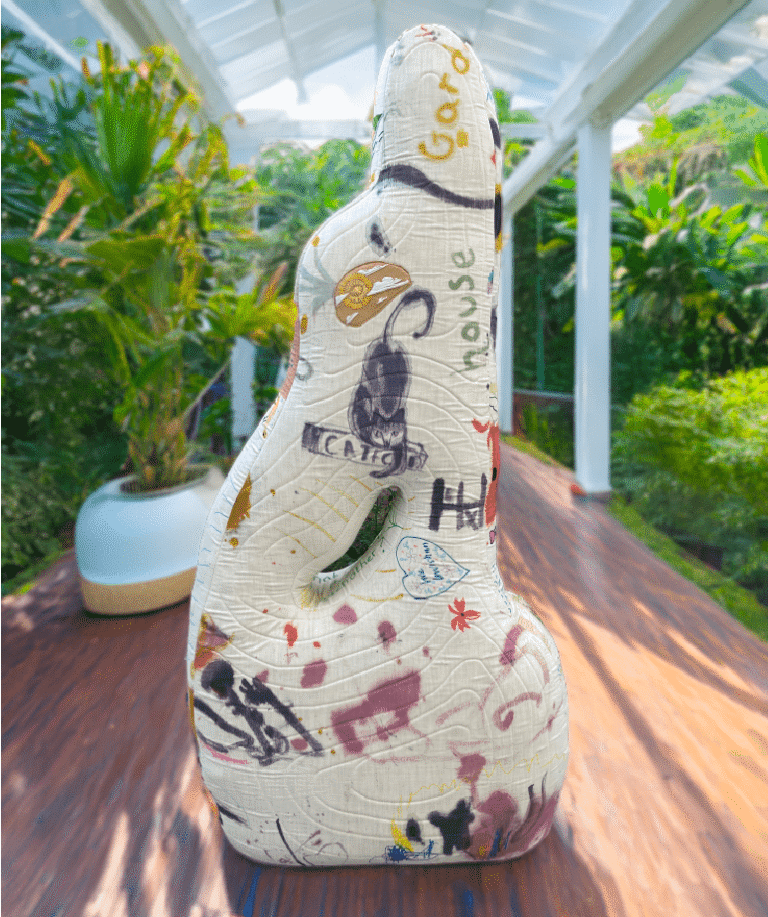
Thank You to the Community

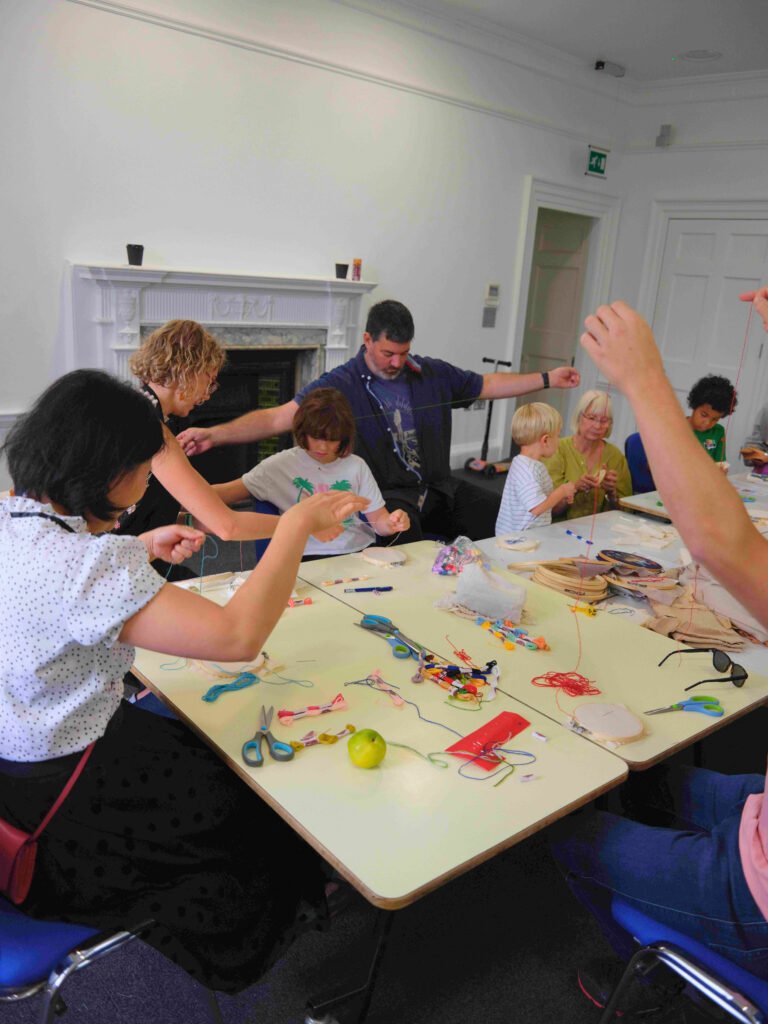
Thank you to everyone who took part in the Crafting Connections workshops.
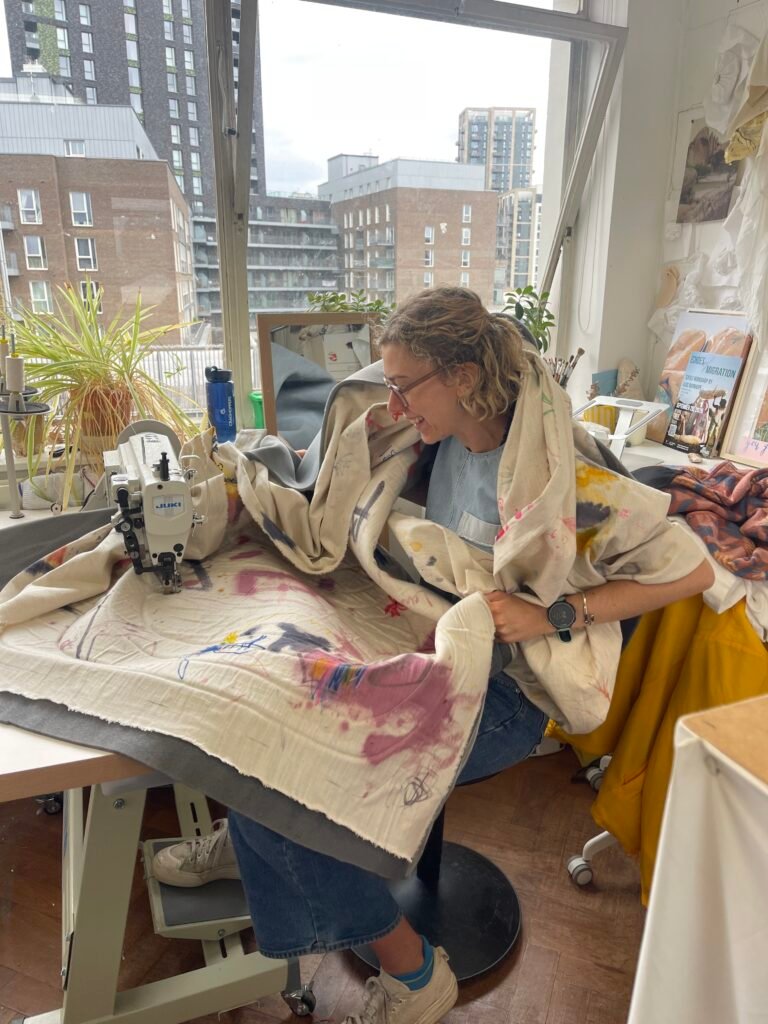
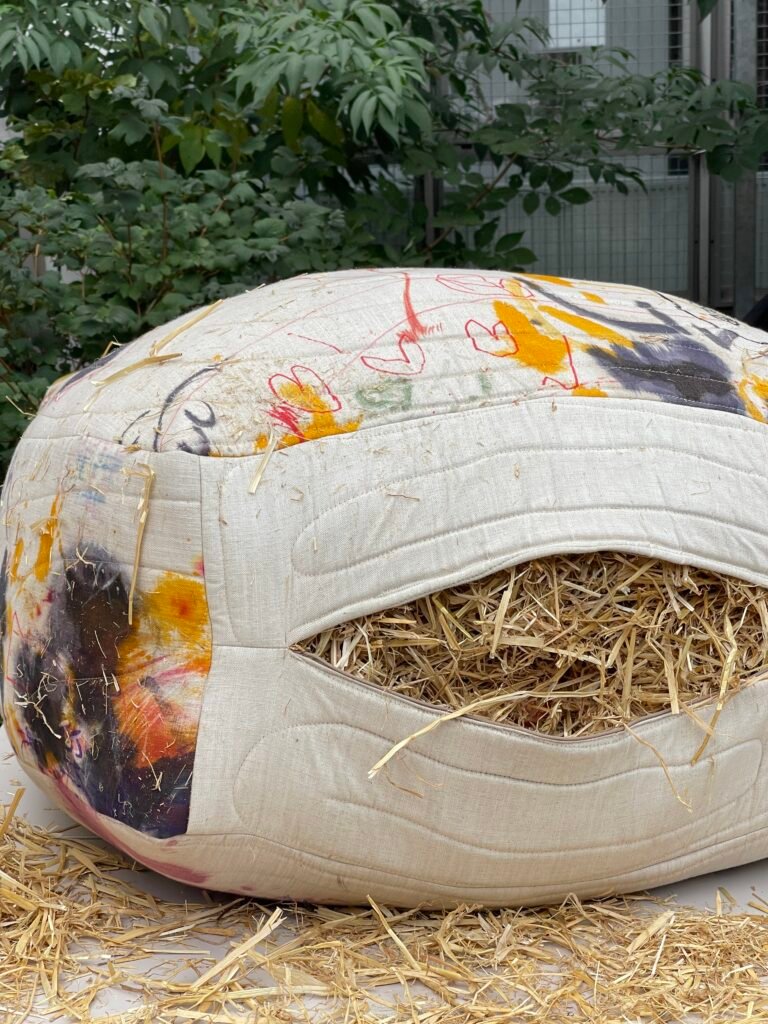
Your hands shaped this sculpture.
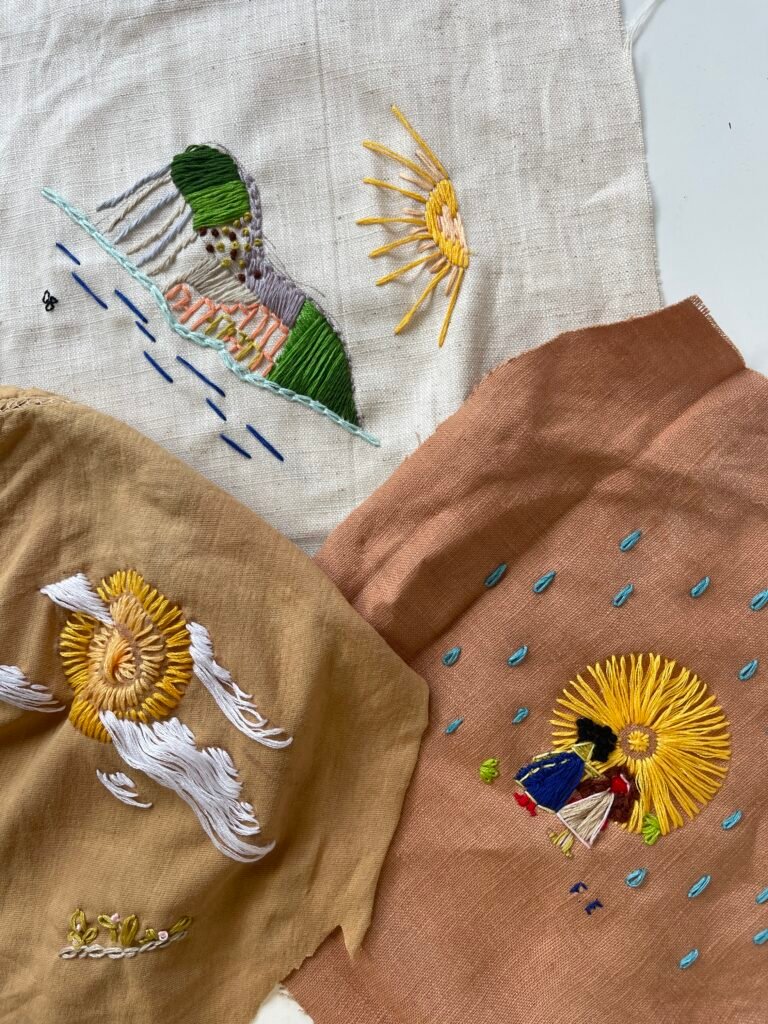
Your stories are sewn into its fabric.
Your voices give it meaning.

We welcome you back to see the work you helped bring into the world.

Scroll to Top